Sustainability is now at the forefront of business strategies across the globe as companies increasingly seek ways to minimise their environmental impact and secure bottom-line benefits. Ripple Energy offers an opportunity for forward-thinking businesses to achieve both objectives in one easy move, thanks to our cooperative approach to renewable energy consumption and ownership. In this blog we will look at how Ripple can benefit your business, powering not just daily operations but also growth and sustainability goals. Watch the video below to learn more about Ripple for business and how it works.
What is Ripple Energy?
Before diving into the business benefits of joining Ripple, let’s understand what the model actually offers. Ripple allows individuals and companies to pull together to co-own wind farms and solar parks.

This allows everybody involved to directly source genuinely green electricity and have it supplied to their home or business, via the grid. This model not only democratises access to renewable energy but also offers a transparent overview of the direct line from generation to consumption.
All eligible businesses and individuals benefit by spreading the cost of renewable energy site ownership amongst thousands of parties. So too does the UK grid, which is ‘greened’ as a result of wind farm and solar park generation being added to it. Ripple acts as a project facilitator. We locate suitable sites for renewable projects before opening up opportunities for companies and people to buy shares, thereby funding the project builds. Those who take up ownership of a wind farm or solar park enjoy years of energy bill stabilisation with businesses also benefitting from a simple way to uphold sustainability pledges to stakeholders.
Which Businesses Can Become Ripple Members?
We welcome all sizes of operation from small to large, but the size of your operation (gauged using your annual energy consumption figures) impacts how you can participate.
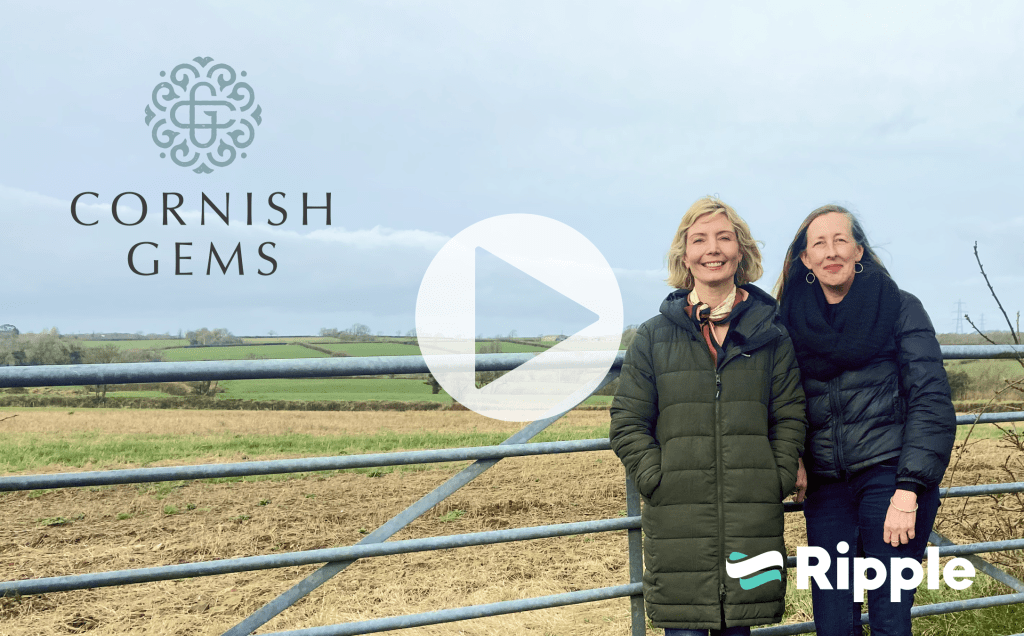
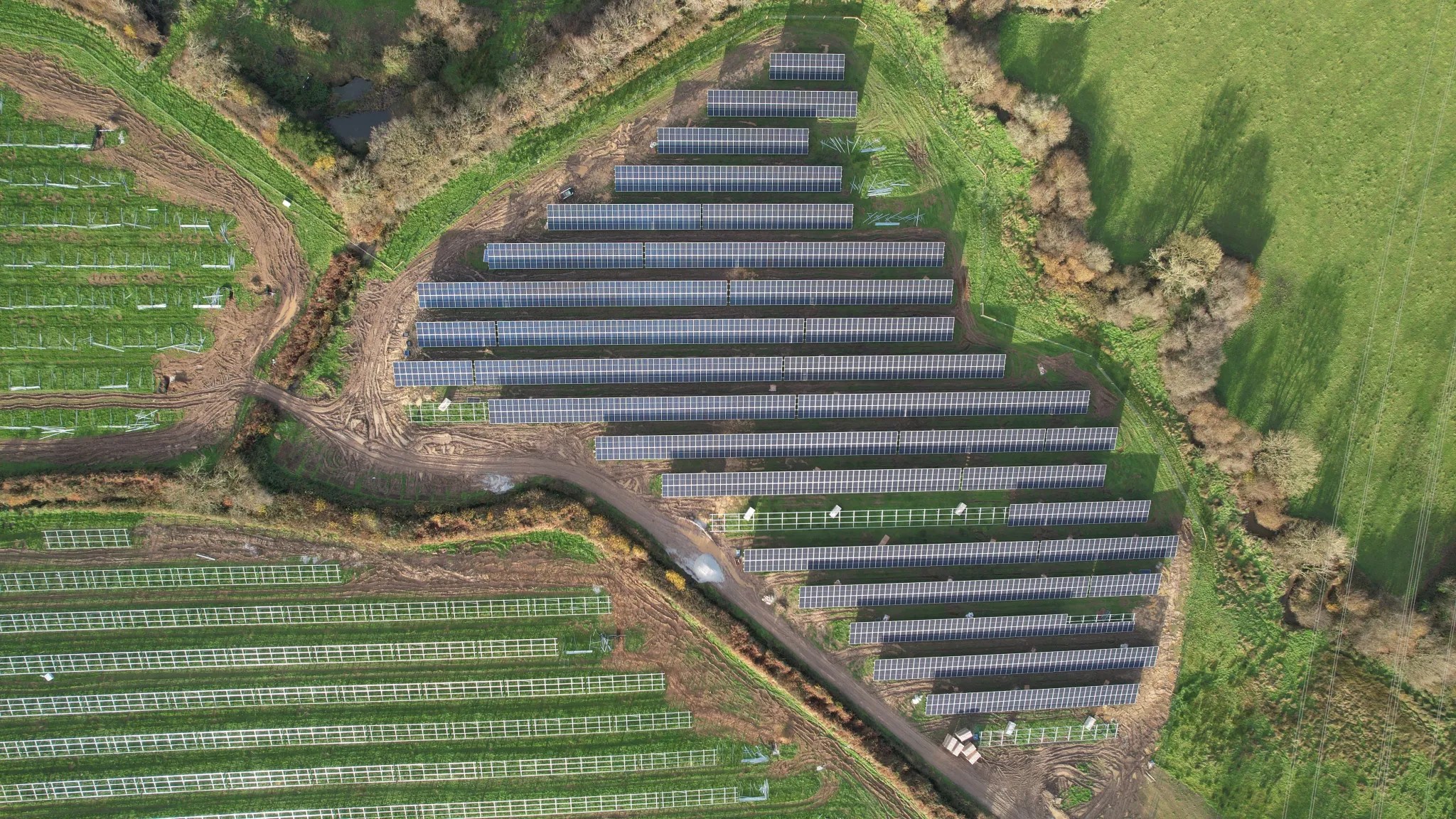
Small companies using 0 – 25,000kWh of electricity annually and medium-sized enterprises, using 25,000 – 100,000kWh of energy each year can join a Ripple cooperative by buying shares in an upcoming wind farm or solar park. The amount purchased can equate to a maximum of 125% of the business’ annual consumption. One small company that has recognised the benefits of Ripple membership is Cornish gems, a premium holiday rentals platform that showcases the best vacation homes in Cornwall. Having bought shares in the Derril Water Solar Park to be equivalent to 100% of its annual energy consumption, the B-Corp is looking forward to lower monthly bills and quantifiable climate action.
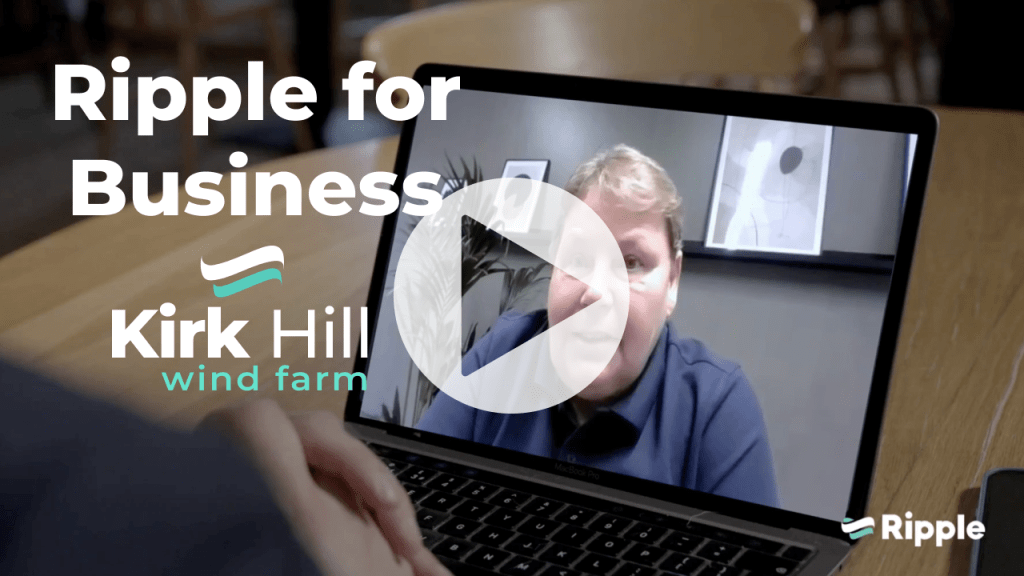
Large operations or those using more than 100,000kWh of energy per year have the option of investing directly into a project SPV, accessing the opportunity to see financial return. Bruntwood, a property investor and developer, has already embraced this model of involvement, choosing to purchase a 42.4% share in the Kirk Hill Wind Farm, which is due to start generating soon. With commercial buildings throughout the UK, Bruntwood will see 80% of its energy consumption supplied with genuinely green electricity, via the grid. The company chose to join Ripple to get closer to its 2030 World GBC Net Zero target stating that the move would be a “huge step” in doing so.
Why Join Ripple?
Committing to a greener future can seem daunting, especially when it requires a financial outlay. We understand this but also want to delve further into the benefits of doing so with Ripple.
Key benefits of becoming a renewable energy owner or investor with us include:
Financial Savings and Price Stability
Arguably the key advantage of signing up to Ripple–for companies–is the potential for significant financial savings. By ‘investing’ in and consuming energy from renewable sources, companies can lock in lower electricity prices, thereby protecting themselves against the volatility of traditionally unpredictable energy markets. This has been a serious concern for small businesses, in particular, with reports from 2023 noting that hundreds of thousands of operations are struggling to pay their bills and stay afloat. However, energy savings are a must and possible for operations of all sizes. This also applies regardless of premises ownership or leasing.
Unlike rooftop solar–which requires buyers to own the building they are being fitted to–community-owned wind farms and solar parks are a remote option that allow your bill savings to move with you if you relocate or choose to lease your premises. While the Ripple model does require an upfront cost (used to build new renewable energy projects) over time, as the initial investment is amortised, allowing bill savings to increase and offer long-term savings. In addition, Ripple project ownership provides price stability. Energy prices are subject to fluctuations, being impacted by various factors including, but not limited to, government policies, and market dynamics. By securing annual fixed savings rates for our generating projects, Ripple allows companies to better forecast and manage their energy expenses, reducing exposure to price spikes.
Enhancing Corporate Sustainability
Companies are under increasing pressure from consumers, stakeholders, and regulators to demonstrate their commitment to reducing carbon emissions and embracing net zero targets. By participating in Ripple projects, companies can directly contribute to an increase in UK renewable energy capacity, while taking quantifiable climate action. This not only helps to reduce operational carbon footprints but also strengthens a business’ brand as a corporate sustainability leader. This, in turn, has the potential to enhance customer loyalty and attract new environmentally conscious stakeholders.
Navigating Regulatory Compliance and Incentives
Sustainability has transitioned from a buzzword to a recognised business imperative. Companies need to demonstrate their commitment to reducing carbon emissions and embracing net-zero targets. By participating in Ripple projects, companies can directly contribute to an increase in UK renewable energy capacity, while taking quantifiable climate action. This not only helps to reduce operational carbon footprints but also strengthens a business’s brand as a corporate sustainability leader. This, in turn, has the potential to enhance customer loyalty and attract new environmentally conscious stakeholders.


Employee Engagement and Corporate Social Responsibility
Co-owning a Ripple project can serve as a powerful tool for employee engagement and corporate social responsibility (CSR) initiatives. Employees are increasingly looking for more than just a pay check; they want to work for companies that reflect their values and are making a positive impact on the world. At last count, 46% of employees stated that they would like to work for a company with an environmental, social and governance (ESG) policy in place.
Alongside, Ripple projects can form a key part of a company’s CSR or ESG strategy, demonstrating a tangible commitment to environmental stewardship and community support. This can enhance the company’s image and reputation, opening up opportunities for positive publicity and brand awareness.
Other ways to get involved
Aside from cooperative ownership and investment into projects, businesses can benefit from the Ripple model in the following ways:
Energy Sleeving agreements The purchase of renewable energy from an upcoming project is possible if you enter into a sleeving arrangement with one of our partner suppliers. This is a great option for high consuming companies that want to protect themselves from energy market instability.
Partnerships Ripple is always keen to partner with businesses that share the same sustainability values and goals. Mutually beneficial promotions and opportunities to share the Ripple message with employees and stakeholders are something our business team can discuss with you.