As Labour marks its first 100 days in government, it has embarked on an ambitious journey to establish the UK as a green energy superpower. This landmark period has seen a series of energy initiatives launched that aim to support a sustainable future.
Here’s a look at the key green policies already launched and what they mean for the UK.
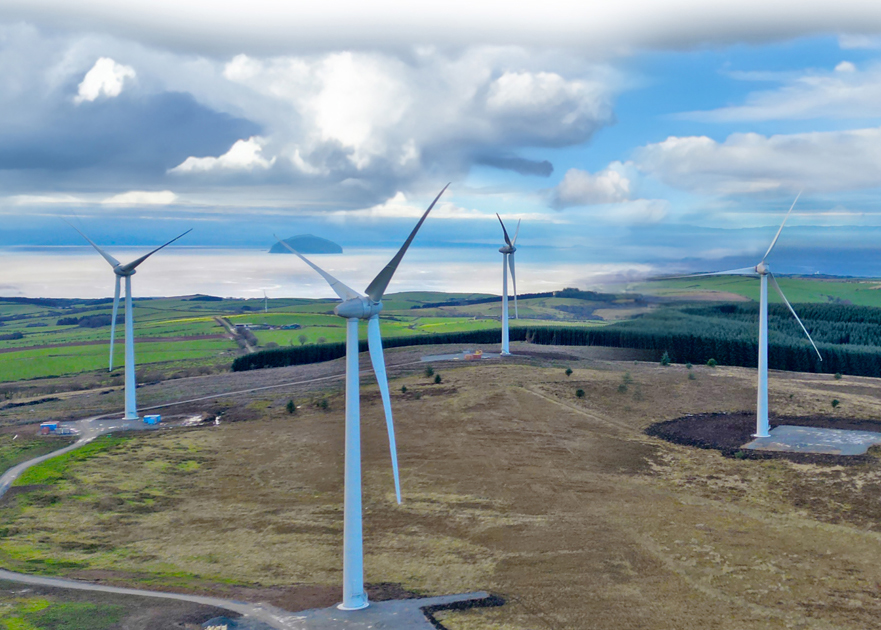
Removing Onshore Wind Restrictions
Within 72 hours of taking office, the new government lifted restrictions on onshore wind projects in England. A de facto ban was previously in place, which had limited domestic renewable energy generation significantly. Chancellor Rachel Reeves announced the lifting of said ban and underscored that it is a significant step towards the Government’s pledge to double onshore wind capacity by 2030, in a bid to decarbonise electricity by the same year.
Expanding Solar Power
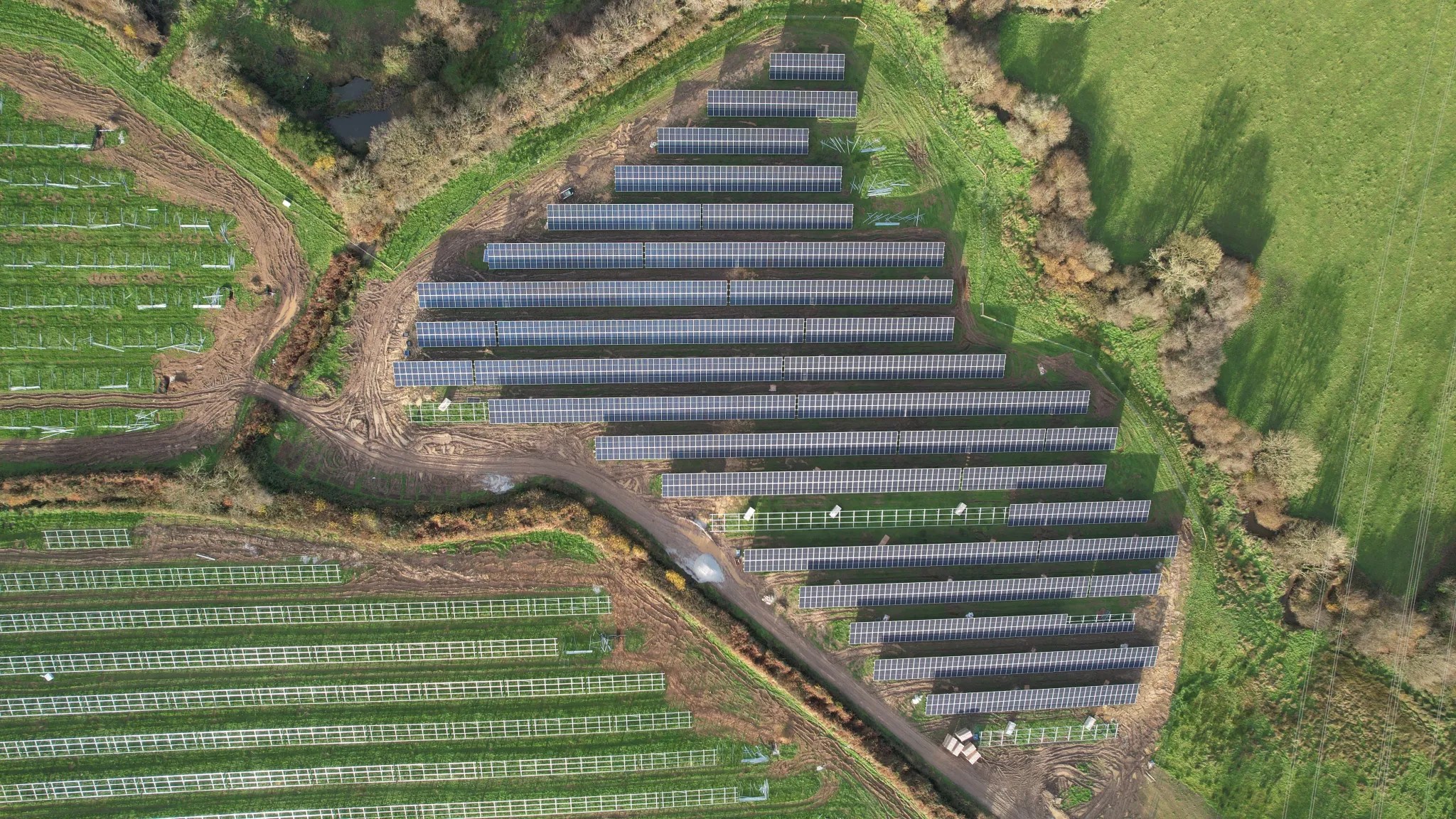
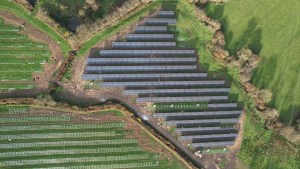
Alongside new wind targets, the new government is seeking to make strides in solar energy. Just three days after they were submitted to him, Energy Secretary Ed Miliband approved three large solar farms in Suffolk, Lincolnshire, and Rutland, which will collectively generate 1.35GW of power—enough to supply around 400,000 homes. This decisive action underlines the Government’s commitment to ‘backing the builders, not the blockers’ and undoes previous restrictions, while offering optimism that a significant expansion of the UK’s solar capacity is in motion.
It’s not only solar farms that are being greenlit, however. Miliband has also revealed plans to simplify planning rules for rooftop solar installations, allowing for easier domestic solar uptake.
Local Power Plan Unveiled
The Government’s new Local Power Plan aims to empower communities by enhancing local decision-making in energy management. A key feature of this is a commitment to develop 8GW of community-owned power (equivalent to around 20 million solar panels), which will significantly increase local renewable energy capacity. This will happen through a combination of up to £400m a year in low interest loans for community energy and £600m a year in grants to local authorities.
By promoting sources such as solar and wind, the plan encourages local councils to initiate bespoke energy solutions that meet the specific needs of the communities that they serve, while fostering support for green initiatives from the people living within them.
Large Offshore Wind Targets
Wind energy is a cornerstone of Labour’s green agenda. Alongside promises to double onshore wind production by 2030, the Government has announced plans to quadruple offshore wind capacity within the same timeframe.
Great British Energy Launch
As another significant step towards renewable energy investment, Labour plans to launch Great British Energy (GBE), a publicly owned company dedicated to financing, owning, and managing clean energy projects. Prime Minister Keir Starmer announced that the Government is pledging £8.3 billion–over the next five years–to this initiative. The overarching hope is to position the UK as a renewable sector leader and to eliminate reliance on imported energy, while accelerating the transition to a green energy future.
Increased Support for Clean Energy Projects
To bolster investment in renewable energy, the new government increased the Contracts for Difference (CfD) auction budget by 50%, so that it totaled £1.5 billion. The additional funding was designed to ensure more new offshore wind projects could be awarded contracts in the CFD auction. These projects stood the best chance of being operational ahead of the Government’s 2030 target for zero carbon power.

Chris Stark to Lead ‘Mission Control’
Mission Control is a new initiative aimed at accelerating the UK’s transition to clean energy by 2030. Led by Chris Stark, who has a strong background in energy policy and climate change as the former chief executive of the Climate Change Committee, the hub will serve as a central touchpoint for addressing challenges in the energy sector. Announced by Energy Secretary Ed Miliband, Mission Control is designed to streamline the process of developing renewable energy infrastructure, enhance Britain’s energy independence, and reduce costs for consumers. As such, it plans to work closely with key organisations such as Ofgem, the National Grid, and the Electricity System Operator.
Carbon Capture Initiatives
Most recently, the Government announced it would be allocating £21.7 billion of funding–over 25 years–to carbon capture initiatives. This is expected to be one of the largest examples of Labour ‘green spending’, with the investment intended to accelerate the design, development, and deployment of carbon capture and storage (CCS) technologies across various sectors, with heavy industries and energy production being particularly targeted.
What This Means for Ripple Members
Labour’s first 100 days have set a strong precedent for green energy action in the UK. The policies rolled out so far have been chosen to accelerate the country’s transition to 100% zero-carbon energy generation by 2030, with attention paid to a spectrum of previous hurdles, including project location restrictions. If momentum continues at a similar pace, the next five years will prove very exciting in terms of renewable energy.

“We are really excited by the Government’s ambition, and how quickly it has got to work delivering on it. The focus on putting communities at the heart of the UK’s energy transition is music to our ears.”
Sarah Merrick, founder and CEO of Ripple Energy.