Researchers predict that if–by 2050–every second car on the world’s streets was electric, global CO2 emissions would be reduced by up to 1.5 gigatonnes per year. This is equivalent to the total current CO2 emissions of Russia and offers easy insight into why so many drivers are choosing electricity over diesel and petrol.
Today, there’s a predicted 1 million EVs on UK roads, a huge increase on 205,000 in 2020. While this is good news for car manufacturers and the environment, there is an ugly issue that rears its head: energy consumption connected to EV charging.
The significant increase in electric vehicles brings with it a sharp rise in electricity use. For context, the share of Europe’s electricity consumption attributed to electric vehicles is predicted to rise from 0.03% in 2014 to around 4-5% by 2030 and 9.5% by 2050.
Whilst owning an electric car creates less climate impact than a petrol vehicle, ensuring your EV is as green as possible is key. Ripple members know this and with around half of the community already being EV drivers, they are ahead of the pack.
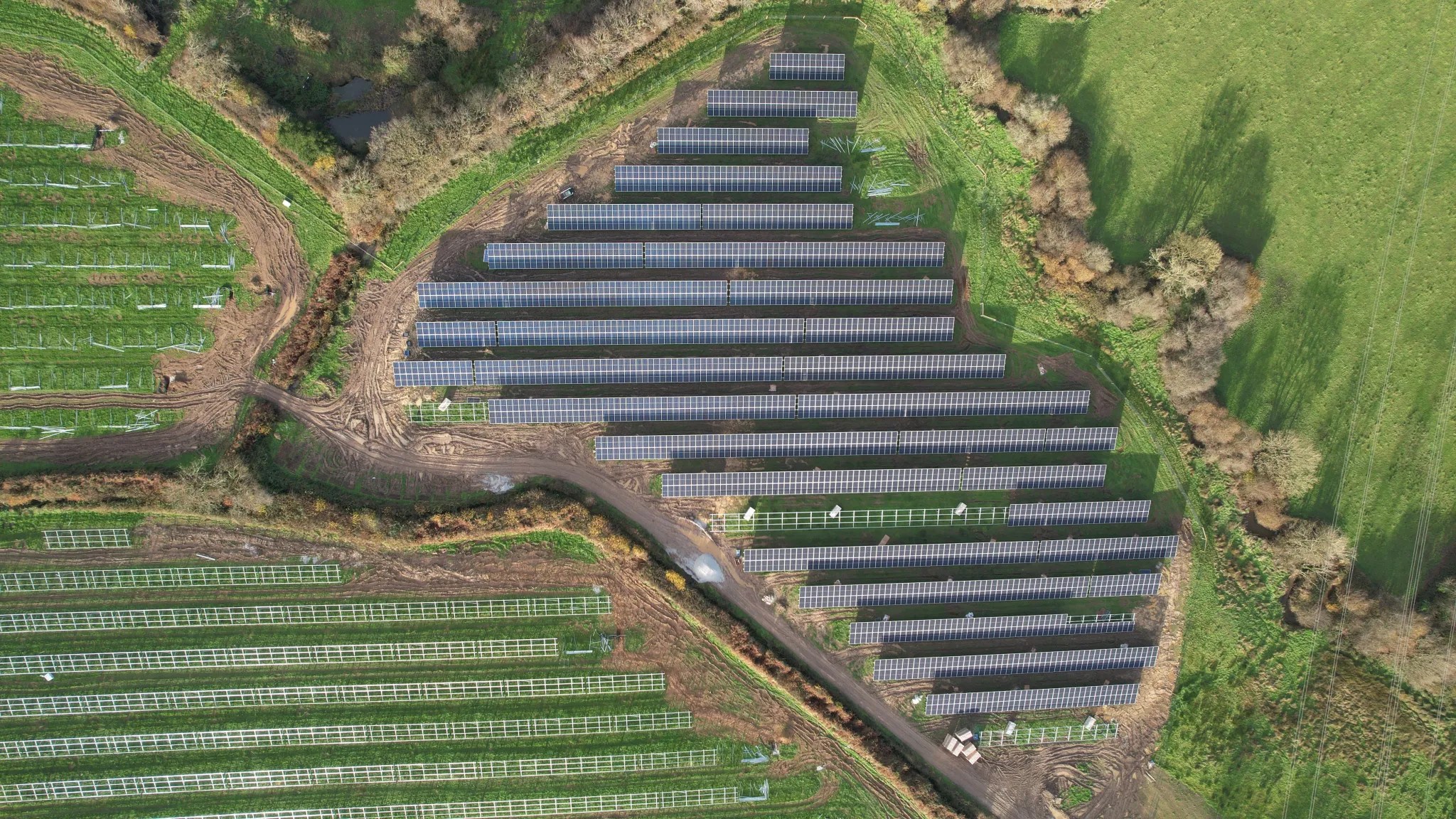
As a Ripple member, you help a new renewable energy project to be built. This, in turn, adds green energy directly to the grid that can be used to charge your EV and power your home, while still delivering bill savings direct to your household. If that sounds too good to be true, let’s break down the numbers.
The cost of powering your electric vehicle
As an EV owner you’ll immediately enjoy not having to pay to put fuel in your car, but charging your vehicle still costs money. According to EV app ZapMap, at the end of December 2023 there were just shy of 54,000 public charging points across the UK, a 45% increase on the year prior. However, despite this growing number, it is widely assumed that most charging is still completed at home, with an accommodating workplace being the next most common location. Back in 2018, Electric Nation Smart Charging Trial data showed that 87% of electric car charging was done at home but this figure is likely to have decreased somewhat due to the prolific adoption of public charging points.
For those that do still charge at home and on a standard tariff, electricity costs will be higher. The electricity used to charge a vehicle is included in a home’s overall bill, making EV drivers being vulnerable to unpredictable energy costs. But there is a solution.
EV drivers have the power to choose the electricity that charges their car, through their tariff selection.
Understanding EV tariffs
Some home energy suppliers have started introducing EV-specific tariffs to help drivers to cope with their higher electricity consumption. These are split into single-rate and two-rate tariffs.
Two-rate tariffs work by charging a lower rate for electricity during the night. This allows drivers to fully charge their cars while they sleep, for a cheaper cost.
During cost-saving hours, often between 7pm and 7am the following morning, the average cost to charge an electric vehicle can be drastically reduced. So much so that compared to petrol or diesel cars, which rack up between 19 and 21p per mile to fuel, an EV can cost just 3p per mile. Over the duration of a 200 mile round trip, this means that an EV would use £6 of electricity, compared to a conventional car’s £38-42 in fuel.
Conversely, single-rate tariffs charge the same throughout the day, but it may be a special price if you own an EV or you may get access to perks such as bill credit. A full home charge in the UK starts at around £17, on a regular tariff.
Platforms such as lovemyev let you input your car make and model, to see which EV tariffs could work best for you. You can also speak directly to your energy supplier to ask what they recommend.
However, for those looking to take even greater control over their electricity bills, there is another way.
Power your car with your own source of low-cost green energy
Ripple enables you to part-own a large-scale wind farm or solar park to power your home and EV with your own green energy while stabilising your electricity bills.
Buying into a Ripple project is a simple way to take ownership over the source of your electricity supply, for a fraction of the cost of conventional eco energy products, such as home solar panels. The Ripple structure is simple: the more you purchase, the more electricity is yours when the project starts generating electricity.
Our Ripple community already has thousands of EV drivers saving on their electricity bills, while powering their cars with low-cost green energy.
Click here to find out how much of a green energy project you should own to offset your total home and EV electricity consumption.