The UK is a global leader in the renewable energy sector, especially in terms of wind energy. The region, surrounded by coastlines and containing a lot of agricultural land, is uniquely positioned to harness wind power both onshore and offshore.
Naturally, consumers are curious about which is preferable, so let’s talk about the differences:
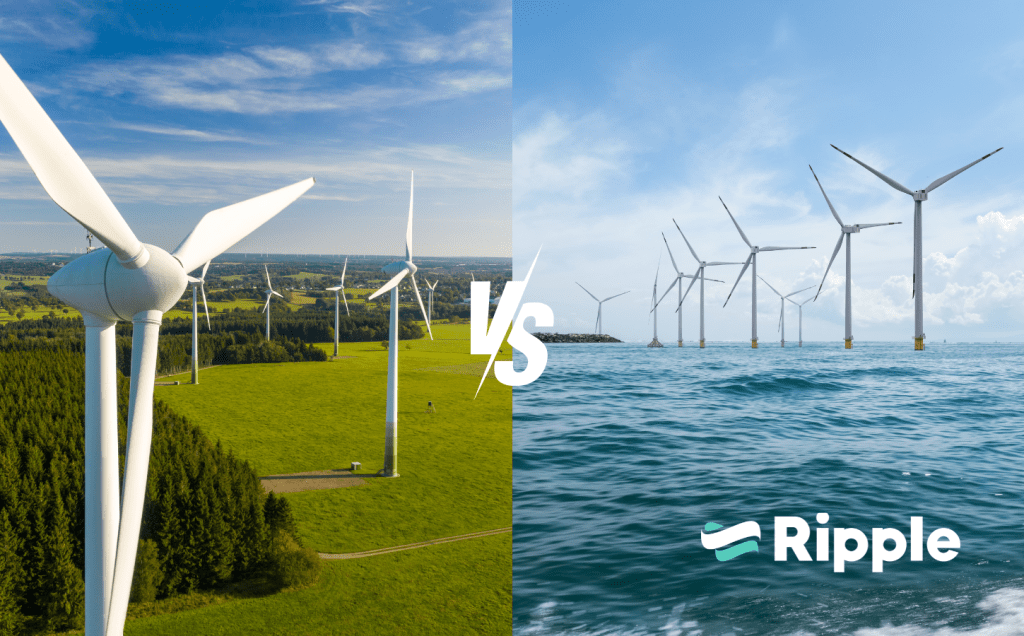
Comparing onshore and offshore wind farms
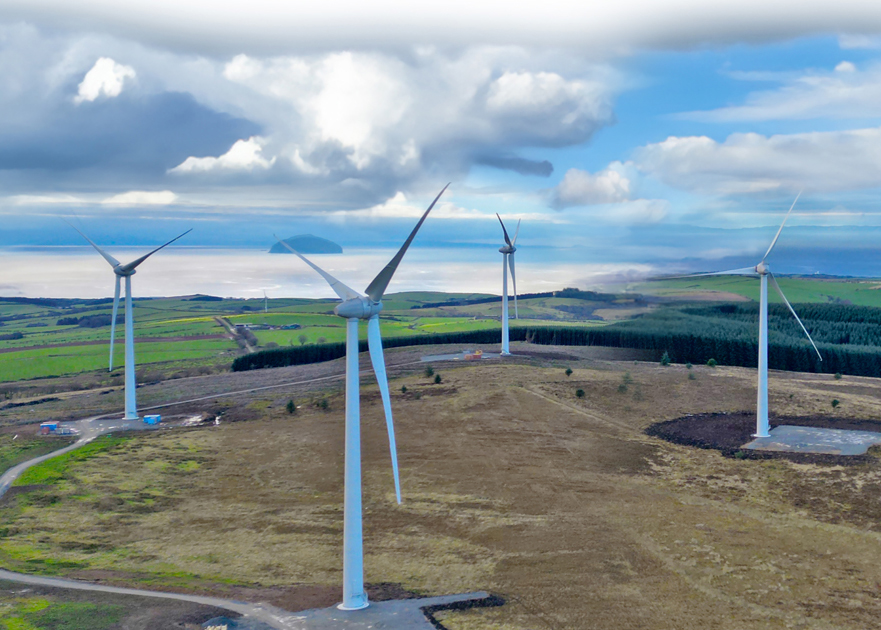
Onshore wind farms, though offshore installations sometimes overshadow them, offer a wealth of advantages that make them a highly attractive option for UK consumers. Sited strategically to harness natural air currents, they are typically located in areas with lower population density.
Conversely, turbines built out at sea stand tall and capture energy from the wind that blows across the water. They can be built bigger than onshore alternatives are highly efficient. What is important is the impact that wind energy is making as a whole and in 2023, wind farm–both on and offshore–collectively contributed 29.4% of the UK’s total electricity generation.
The two options are similar yet also wildly different, but let’s look at how they compare in the following categories:
Cost-effectiveness
A persuasive argument in favour of onshore wind farms is their cost-effectiveness, particularly cooperative-owned ventures such as those offered by Ripple.
Building wind turbines on land is–generally–a little less expensive than offshore due to easier accessibility and comparatively straightforward logistics of transporting materials and machinery. Building out at sea requires specialist equipment and more time. Maintenance and operational aspects are further costs that make onshore wind farms more economically viable in the long run. Onshore wind energy is one of the cheapest forms of renewable energy available today and buying in with thousands of other people makes it even more affordable.
Ripple’s model allows people to own part of an onshore wind farm, to enjoy 25 years of stabilised energy bills and genuinely green energy supplied direct to their home or business, via the grid. Ripple members can choose how much of a wind farm to own, in line with their annual energy consumption and budget, making it truly affordable and accessible.
Build timeframes
The process of planning, approving, and constructing an onshore wind farm is, usually, faster than for offshore projects, which commonly face lengthy permitting processes and more complex engineering challenges. This means that onshore wind farms can start contributing to the energy grid more quickly, a crucial factor as the UK strives to meet its ambitious climate targets, and something that appeals to those considering buying shares in a cooperative project.
Naturally, building in water adds another level of engineering specialism into the mix and, frequently, a lot more time. Inclement weather conditions on land can slow progress, while inhospitable water can stop things altogether and with little or no warning.
Environmental credentials
There’s no denying that both onshore and offshore wind farms make far less impact on the climate than fossil fuel-based power generation. However, offshore projects can disrupt marine habitats during construction, and more critically, throughout their operational lifespan. It is important to note that there are marine species that thrive in colonies planted on turbine foundations, plus mini reefs can be formed as a result of new turbine activity.
Planners carefully site onshore wind farms to minimize their impact on the surrounding environment.
Power generation
Higher wind speeds out at sea mean that offshore builds can take advantage of every gust. The stronger winds and fewer obstacles, like buildings, in these locations allow for fewer turbines to generate the same amount of energy, potentially causing less disruption to surrounding ecosystems.
Overall, offshore wind farms produce more energy than their land-based counterparts. The lower energy output of onshore wind farms is often attributed to two factors: limitations placed on onshore turbine heights and the greater vulnerability of inland areas to fluctuations in wind speeds.
Opportunities to build
Bodies of water are vast, especially in comparison to suitable in-land alternative sites. Building out at sea takes advantage of economies of scale, with large projects in their multiples supporting the country’s energy needs.
How to embrace wind energy with Ripple
Cutting the UK’s dependence on imported power and fossil fuels is vital, especially if we are going to meet the net zero by 2050 target set out by the government. Wind energy is clean, low-cost and, thanks to Ripple, open to everyone. Regardless of where you live, whether you’re renting or own a property, and budget you have to spend on a renewable energy portfolio, Ripple can help.
Our model allows people to work together. By pooling financial resources to support the construction of a renewable energy project that will power homes, businesses and EVs, while also greening the UK grid.
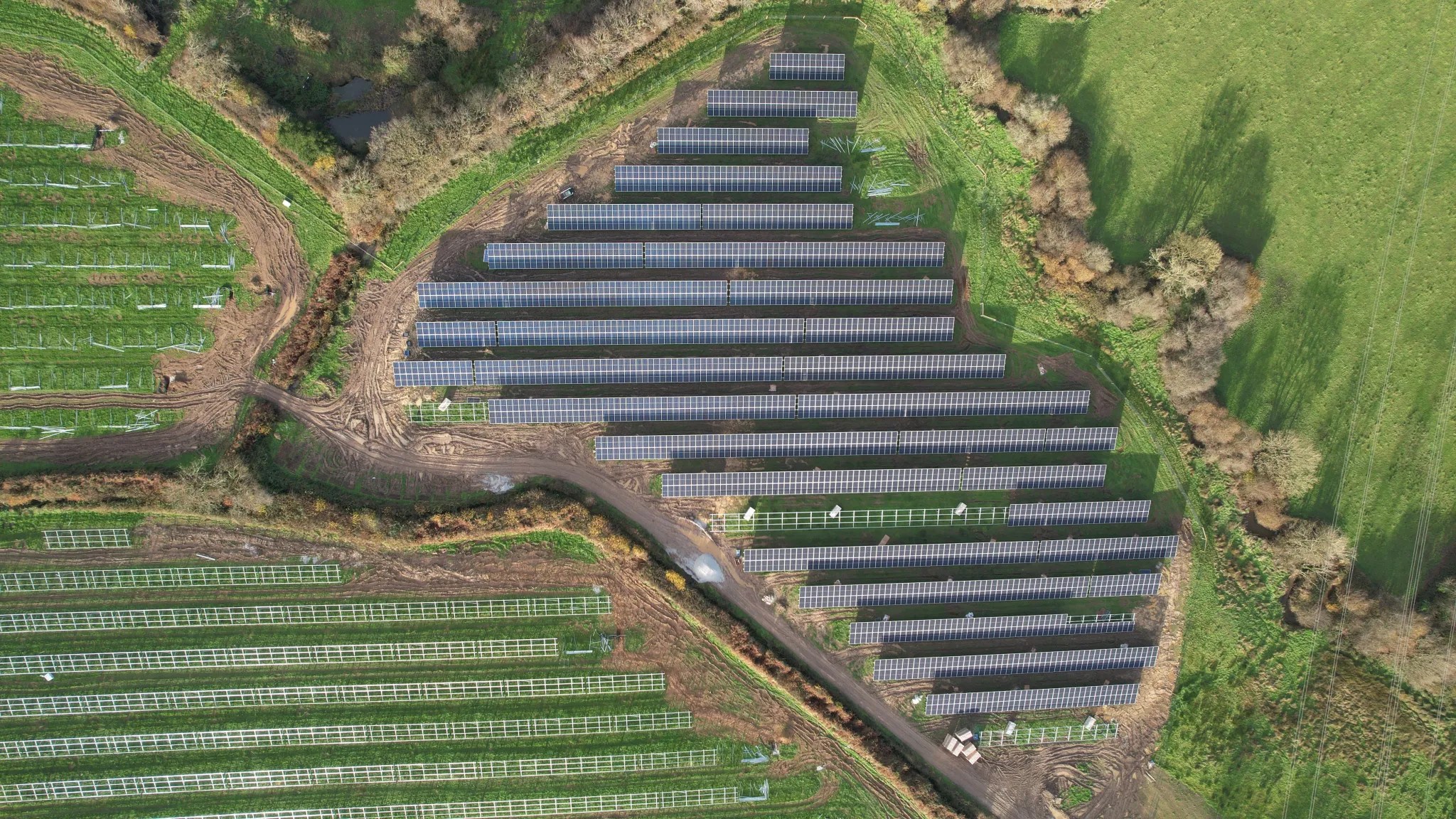
We identify suitable sites for an onshore wind farm or shared solar park, secure all the relevant permissions to build on them and then invite you to become a co-owner. Become a Ripple member and join thousands of other sustainably-minded people to finance a new project. In return, you get decades of low-cost, genuinely green energy supplied direct to your home, via the grid.
Find out how a Ripple wind farm could help you take control of your energy costs today.