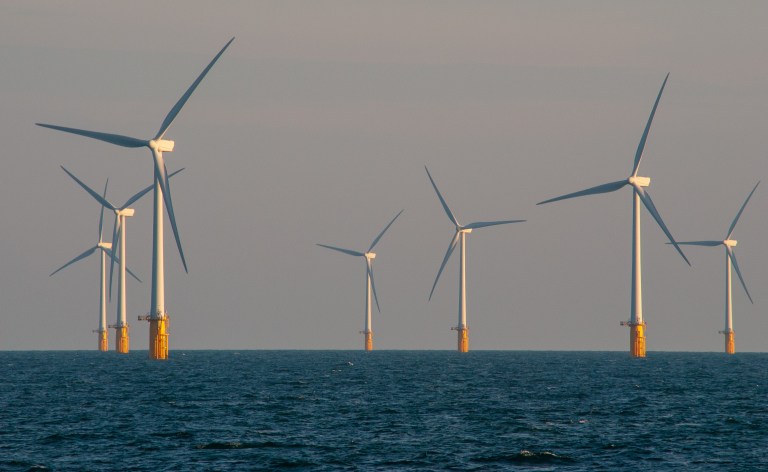
A groundbreaking partnership between the Welsh Government and Ripple Energy’s people-owned Graig Fatha Wind Farm is helping vulnerable households across South Wales manage rising energy costs.
Graig Fatha, near Coedely in Rhondda Cynon Taf, is the UK’s first cooperatively owned wind farm, bringing together over 900 members of the public and the Welsh Government to pioneer a new model of renewable energy ownership. The Welsh Government contributed £1.1 million to support the project.
While Ripple members see savings on their electricity bills, the Welsh Government has dedicated its share of income from the wind farm to support two vital charities: the Fuel Bank Foundation and Interlink RCT. Since the wind farm began generating power in early 2022, this funding has raised over £700,000 to help those facing fuel poverty in Wales.
"We have set an ambitious goal of producing enough renewable energy in Wales to meet our own needs by 2035, and we are determined that people will see the benefits from this transition. Graig Fatha, the UK's first cooperatively owned wind farm, is an excellent example of how we see this working. The Welsh Government’s investment means the project is providing a sustainable income to help fund the fantastic work of the Fuel Bank Foundation and Interlink RCT which are supporting people facing fuel poverty."
- Welsh Government Economy, Energy and Planning Cabinet Secretary, Rebecca Evans
Direct support for families in need
The Fuel Bank Foundation, the UK’s only national charity helping people at risk of losing access to energy, has already awarded over 3,000 fuel vouchers to families in need, helping a total of 4,378 adults and 3,272 children. Since April alone, 600 vouchers have been distributed in the Rhondda Cynon Taf area, directly benefiting 855 adults and 578 children.
Matthew Cole, CEO of Fuel Bank Foundation, said:
“Millions of vulnerable and low-income households, especially those who prepay for gas and electricity via a meter or use alternative fuels such as heating oil, do not have the money they need to pay for energy. As a result, this winter they will be forced to live in cold, dark homes, unable to put the heating and lights on or cook a hot meal.
“We are extremely grateful for the support from Ripple Energy, The Welsh Government and the 900 members of the public who co-own the wind farm. Thanks to the energy and the subsequent income generated at Graig Fatha, we are able to provide support to more households in fuel crisis through the provision of same-day emergency fuel vouchers to get their lights, heat and power back on and offer practicable help and advice to prevent them falling into fuel crisis in the future.”
“It’s really exciting that 900 people across the UK have chosen to invest in Graig Fatha wind turbine and, as a result of the relationship between Ripple Energy and the Welsh Government, the benefits of this amazing project mean that we can support more people. We want the transition to net zero to be fair and equitable for all, and initiatives like this are a huge step in the right direction.”
Building Stronger Communities
Alongside the work of the Fuel Bank Foundation, Interlink RCT has distributed over £258,000 in grants to grassroots community groups since July 2022. Simon James, Chief Executive of Interlink RCT, emphasised the importance of the scheme:
“These grants make a vital and valued contribution to supporting people and communities throughout RCT.”
These grants, designed to help communities in Rhondda Cynon Taf stay warm, connected, and supported amid the cost-of-living crisis, have funded initiatives ranging from safety programs to food support.
Leading the way in renewable energy ownership
Ripple Energy’s founder and CEO, Sarah Merrick, celebrated the transformative potential of projects like Graig Fatha:
“Britain’s transition to clean power must work for everyone. At Graig Fatha, we’re proving that community-owned renewable energy can both reduce the cost of electricity for members and generate vital funding to support those facing fuel poverty. Nobody should be left behind, and this project shows what’s possible when communities, companies, and Governments work together.”
Graig Fatha stands as a shining example of how innovative partnerships between governments, communities, and the private sector can deliver clean energy while driving social change. With the Welsh Government’s ambitious goal of meeting all energy needs through renewable sources by 2035, this model sets the stage for a fair and inclusive transition to net zero.